EV charger electrical repair Fall River MA that gets you charging again
Level 2 diagnostics, breaker fixes, and same-day charging restoration
When your home charger quits mid-session, EV charger electrical repair Fall River MA is the fastest way back to a full battery. We troubleshoot Level 2 charger repair Fall River homeowners rely on, from tripped breakers and fried GFCI outlets to loose Romex terminations inside the unit. Whether you drive a Bolt, a Model 3, or a Leaf, we test the circuit, repair the fault, and verify amperage before we leave your driveway.
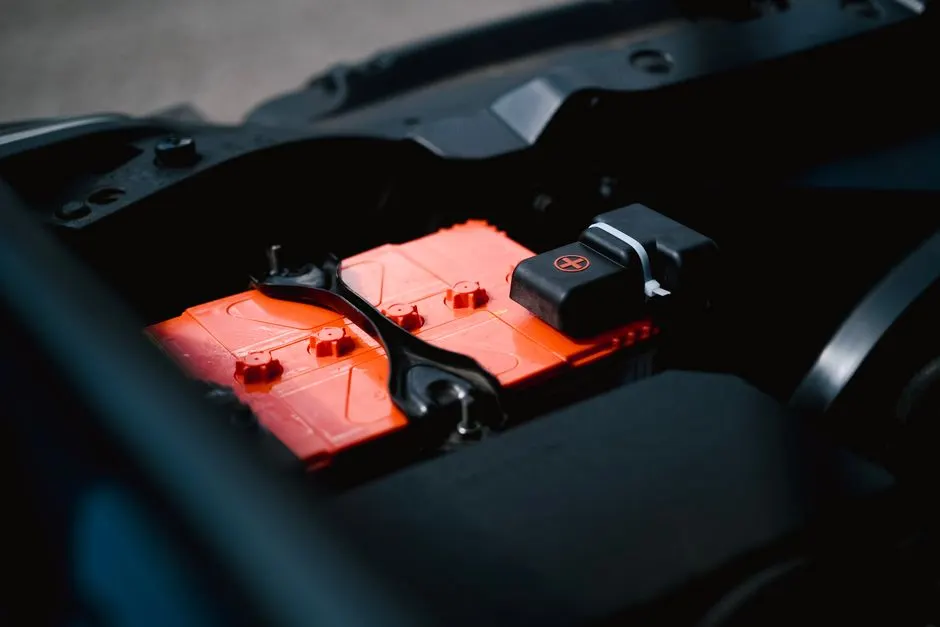
What EV charger electrical repair Fall River MA actually involves
EV charger electrical repair Fall River MA is the diagnostic and repair work that restores a home or commercial charging station to safe, full-amperage operation. We open the unit, inspect the feed, and test the circuit with a multimeter and non-contact voltage pen. Common faults include a tripping circuit breaker, a failed GFCI outlet upstream, a burnt terminal block, or a control board that stops handshaking with the vehicle. We replace what failed, torque every lug to spec, and confirm the station pulls its rated 32 to 48 amps.
Fall River chargers take a beating. Garages off The Flint and South End sit in damp, salt-heavy air that corrodes terminals faster than inland towns, and older 100-amp panels in Bowenville and Corky Row homes often cannot carry a 40-amp continuous load without nuisance trips. If your charger keeps faulting, an electric car charger repair Fall River MA visit usually finds the problem in the panel, not the box. We also handle emergency EV charger repair in Fall River Massachusetts when a station dies with a vehicle plugged in overnight.
Why Fall River drivers call us for charger repair
A dead charger strands you at home. We diagnose the real fault, repair it to NEC standards, and get your nightly charging routine back on track without a full station replacement.
Restore full charging speed
A charger that only trickles at 8 amps usually has a failed pilot signal or a bad control board. We test the J1772 handshake, replace the faulty component, and confirm the station returns to its rated 32 to 48 amp output so your overnight charge finishes before morning.
Stop nuisance breaker trips
Repeated tripping during a charge points to a loose neutral, an undersized breaker, or a panel running near capacity. We measure the actual load with a clamp meter, correct the termination, and upgrade the breaker to the correct rating so your 40-amp session runs clean.
Fix EV charger not charging repair Fall River faults
If the station powers on but the car never starts charging, the fault is often a stuck contactor or a corroded pilot pin. We open the connector, clean or replace the pin assembly, and verify communication with a Fluke meter before calling the job done.
Protect the panel and wiring
A charger pulling 40 amps continuous through a tired 100-amp panel stresses every connection. We inspect the bus, check for aluminum wiring hazards, and recommend a 200 amp upgrade only when the load calculation genuinely requires it, not as an upsell.
How our EV charger repair process works
Five steps, one visit in most cases. You tell us the symptom, we test the circuit, repair the fault, and prove the fix with a live charging session before we pack up.
Phone triage
You call (508) 446-9335 and describe the symptom: no lights, red fault light, breaker tripping, or a car that refuses to charge. We ask for the station brand, breaker size, and panel type, which lets us load the right parts on the truck before we leave the shop.
Circuit testing
On arrival we kill power, open the station, and test the feed with a multimeter and voltage tester. We check line-to-line and line-to-ground voltage, inspect the Romex or THHN terminations, and look for heat damage at the breaker and junction boxes. This takes 15 to 25 minutes.
Fault diagnosis
We isolate the failure: a burnt terminal, a failed GFCI outlet, a stuck contactor, a bad control board, or a panel issue upstream. You get a plain-English explanation of what failed and why, plus the repair cost, before we start any work.
Repair and torque
We replace the failed component, strip and re-terminate damaged conductors with wire strippers and lineman's pliers, and torque every lug to the manufacturer spec with a torque wrench. Loose lugs are the number one cause of charger fires, so this step is never skipped.
Live charge test
We restore power and run an actual charging session for 10 to 15 minutes, watching amperage on a clamp meter and checking for heat at the breaker. If the station holds its rated current without tripping, the repair is done and you get a written summary of what we fixed.
Charger repair expertise you can verify
Our electricians hold a Massachusetts Electrical License through the Massachusetts Board of State Examiners of Electricians, and we work to NEC and NFPA 70E standards on every job. We have repaired Level 2 stations from Leviton, Siemens, Eaton, and Hubbell across Bristol County, and we carry the diagnostic gear to test both the station and the panel feeding it. Charger faults are electrical faults, and we treat them that way instead of swapping boxes and hoping.
- Licensed Massachusetts electricians trained on 240-volt EV supply equipment and J1772 signaling
- NFPA 70E arc-flash procedures followed on every panel and station disconnect
- Load calculations performed before any charger repair to confirm the circuit can carry 40 amps continuous
- Experience with Leviton, Siemens, Eaton, and Hubbell Level 2 stations common in Fall River homes
- Diagnostic tooling includes Fluke meters, Klein Tools hand tools, and Southwire cable testing gear
Why Fall River picks us for EV charger electrical repair Fall River MA
We are a local electrical shop, not a national franchise. You talk to the electrician who does the work, you get a straight price before we start, and we test the repair in front of you instead of handing you a bill and leaving.
Same-day service available
Call before noon and we can often reach you the same day for same-day EV charger repair Fall River MA. We stock common contactors, GFCI outlets, and 40-amp breakers on the truck, so most repairs finish in one visit rather than waiting on a parts order.
Upfront pricing, no surprises
You get the repair price before we touch a screwdriver. Diagnostic visits start at $95 and most repairs land between $180 and $450 depending on the failed part. If the fault turns out to be a panel issue, we quote that separately and you decide.
We fix the cause, not the symptom
A tripping breaker is a symptom. We trace it back to the loose neutral, the undersized conductor, or the failing GFCI outlet and correct the root cause. That is why our EV charging station repair Fall River callbacks are rare and why your charger stays reliable through winter.
Local to Bristol County
We serve Fall River and the surrounding Bristol County area, including 02720, 02721, and 02724. Being local means we know the older housing stock, the aluminum wiring in some mid-century homes, and the damp garage conditions that shorten charger life near the waterfront.
What is included in our charger repair service
Every EV charger electrical repair Fall River MA visit includes a full circuit diagnostic, the repair itself, and a live charging test. We tell you upfront what is covered and what would be a separate job, so there are no surprises on the invoice.
What's Included
Full circuit diagnostic
We test line voltage, ground, and the station feed with a multimeter and voltage tester. We inspect the breaker, the wiring, and the terminations for heat damage or looseness, then isolate the fault before quoting any repair.
Component repair or replacement
Failed contactors, pilot pins, terminal blocks, GFCI outlets, and breakers are replaced with correctly rated parts. We re-terminate damaged conductors and torque every lug to manufacturer spec with a torque wrench.
Live charging verification
After the repair we run an actual charging session for 10 to 15 minutes, watching amperage on a clamp meter and checking for heat at the breaker. You see the station hold its rated current before we call the job complete.
Code and safety check
We confirm the charger circuit meets current NEC requirements for GFCI protection and conductor sizing. If we spot a code violation or an aluminum wiring hazard nearby, we flag it and quote the correction separately.
Written repair summary
You get a plain-English summary of what failed, what we replaced, and what to watch for. If a part is under manufacturer warranty, we note the details so you can file a claim without digging through paperwork.
Charger problems we fix for Fall River drivers
Most charger failures come down to five faults. We see them every week across Bristol County, and we know how to test for each one instead of guessing and swapping parts.
Charger trips the breaker mid-session
Your car stops charging partway through the night and you wake up to a half-empty battery. Repeated tripping also stresses the breaker and can damage the station over time.
We measure the actual charging load with a clamp meter, check the breaker rating against the station's continuous draw, and inspect the terminations. Loose neutrals and undersized breakers are the usual culprits, and both are quick, permanent fixes.
Station powers on but the car will not charge
You plug in, the lights come on, and nothing happens. This is the most frustrating fault because the station looks fine, so you assume the car is at fault when it is usually the connector.
We test the J1772 pilot signal and inspect the connector pins for corrosion. A stuck contactor or a corroded pilot pin is the common cause, and replacing the pin assembly or contactor restores communication with the vehicle.
GFCI outlet upstream keeps tripping
The garage GFCI cuts power to the charger circuit, and you cannot figure out why. This fault gets worse in damp weather and can trip at random, leaving your car uncharged.
We test the GFCI, check for moisture intrusion, and verify it coordinates with the charger's internal protection. Often the fix is a properly rated GFCI or moving the charger to a dedicated circuit so the two devices stop fighting each other.
Charger only charges at a trickle
A station that drops to 8 amps turns a four-hour charge into a twelve-hour one. You lose the overnight window and start the day short on range.
Reduced amperage usually means a failed control board or a bad pilot signal telling the car to slow down. We test the signaling, replace the faulty board or connector, and confirm the station returns to its full rated output.
When Fall River homeowners call us
A commuter in the North End plugs in at 10 pm and wakes up to a fault light and an uncharged car before a 6 am shift.
We treat this as urgent and prioritize same-day EV charger repair Fall River MA slots. We test the circuit, find the fault, repair it, and run a live charge test so you know the station works before you rely on it overnight.
Your car charges normally that night and you make your morning commute without a detour to a public charger.
A homeowner near Sandy Beach notices the charger connector is green with corrosion after a damp winter in an unheated garage.
We open the connector, clean or replace the corroded pilot pin and contacts, and apply the correct dielectric protection. We also check the station enclosure for moisture paths and seal what we can.
The station handshakes reliably again, and the corrosion protection slows the next round of salt-air damage.
A new EV owner in Maplewood has a charger that worked fine for a year and now trips the breaker every session.
We measure the load, inspect the breaker and terminations, and find a loose neutral that has been heating under continuous load. We re-terminate the conductor, torque the lug, and confirm the breaker holds a full 40-amp session.
Charging runs clean from start to finish, and the heat damage risk at the panel is eliminated.
A two-car household in the Highlands wants to add a second charger but the 100-amp panel is already near capacity.
We run a load calculation, explain the options, and install a 200 amp electrical panel upgrade so both chargers and the rest of the home run safely within capacity.
Both vehicles charge overnight on dedicated circuits, and the panel has headroom for future loads.
Tools and methods we use on charger repairs
Tools & Equipment
Fluke multimeter
Measures line-to-line and line-to-ground voltage at the station and panel to confirm the feed is correct before we diagnose the charger itself.
Non-contact voltage pen
Verifies power is off at the breaker and station before we open anything, keeping the repair safe for us and your home.
Clamp meter
Reads actual charging amperage during a live session so we can confirm the station pulls its rated 32 to 48 amps after repair.
Torque wrench
Tightens every lug and terminal to manufacturer spec. Loose terminations are the leading cause of charger and panel fires.
Klein Tools insulated screwdrivers
Opens station enclosures and panel covers safely on live-adjacent equipment without risking a short.
Southwire cable testing gear
Checks the Romex or THHN feed for continuity and damage when a charger fault points to the wiring rather than the unit.
Methods
NEC load calculation
Before we repair or upgrade anything, we calculate the existing load against the charger's continuous draw. This tells us whether the panel can carry the station or whether an upgrade is the honest answer.
NFPA 70E safe work practices
We follow arc-flash boundaries and PPE requirements on every panel and disconnect. Charger circuits are 240 volts at up to 48 amps, and we treat them with the respect that current demands.
J1772 signaling test
We verify the pilot signal between the station and the vehicle, which is how the car and charger negotiate amperage. A failed signal is the hidden cause behind many no-charge complaints.
Live charge verification
No repair is complete until we run an actual charging session and watch the amperage hold steady. This catches intermittent faults that a static test would miss.
How charger repair runs in Fall River
Fall River sits on the water, and that shapes charger repair here. Garages in Sandy Beach, Steep Brook, and along the Tiverton Line see salt-heavy, damp air that corrodes connector pins and terminal blocks faster than inland towns. We see more pilot-pin failures and GFCI nuisance trips in those neighborhoods than anywhere else in Bristol County. The housing stock matters too: triple-deckers in Corky Row and Globe Village often have 100-amp panels that struggle with a 40-amp continuous charger load, while mid-century homes in the Highlands and Maplewood sometimes still have aluminum branch wiring that overheats under EV charging. Fall River winters bring freeze-thaw cycles that work connectors loose, and summer storms push surges through the panel that can fry a control board. If you need affordable EV charging station repair Fall River MA, we handle the whole picture: the station, the circuit, and the panel feeding it. We work to NEC and Massachusetts Electrical License standards on every job, and we test the repair with a live charging session before we leave.
Service Areas
Damp, salt-laden garage air corrodes charger connector pins and terminal blocks faster here than anywhere else in the city.
Dense triple-decker housing with many 100-amp panels that need a load calculation before a 40-amp charger repair.
Older garages and mixed wiring mean we often find aluminum branch circuits feeding the charger circuit.
Mid-century homes with original panels frequently need a 200 amp upgrade to support a Level 2 charger safely.
Local Considerations
Salt air and high humidity near the waterfront
Accelerates corrosion on connector pins and terminal blocks, so we clean, protect, and sometimes replace the connector assembly instead of just the station.
Aging 100-amp panels in older housing stock
A 40-amp continuous charger load pushes these panels near capacity, causing nuisance trips. We measure the load and recommend an upgrade only when the calculation requires it.
Freeze-thaw cycles in winter
Temperature swings work terminations loose over time. We re-torque lugs during repair visits and check the panel connections while we are there.
Summer storm surges
Utility spikes can damage charger control boards. We recommend whole-panel surge protection to shield the station and the rest of your electronics.
Tripping breaker on a 40-amp charger
A South End homeowner could not finish an overnight charge. The breaker tripped every 20 to 30 minutes, and the station showed no fault code. The panel had a loose neutral on the charger circuit that had been heating under load.
We re-terminated the neutral, torqued the lug to spec, and confirmed the breaker held a full 40-amp session for 15 minutes without tripping. The car now charges from 20 percent to 80 percent in about five hours.
Maintenance & Follow-up
Have the charger circuit terminations checked once a year. Loose lugs are the most common cause of nuisance trips, and a quick torque check prevents them.
A Sandy Beach homeowner found the J1772 connector green with corrosion after a damp winter. The station powered on but the car would not start charging, and the connector was stiff to insert.
We replaced the connector assembly, cleaned the contacts, and verified the pilot signal handshake. The station returned to its rated 32 amps, and the car began charging within seconds of plugging in.
Maintenance & Follow-up
Keep the connector capped when not in use and wipe the pins monthly. In salt-air garages, a light dielectric application slows corrosion between charges.
A Highlands family with two EVs had a 100-amp panel that could not run both chargers plus the dryer. Charging one car was fine, but the second charger tripped the main whenever both ran.
We performed a load calculation and installed a 200 amp panel with two dedicated 40-amp charger circuits. Both vehicles now charge overnight at full amperage with no tripping.
Maintenance & Follow-up
Label the new charger breakers clearly and keep the panel area clear. An annual load check keeps the setup safe as your household needs change.
What charger repair costs in Fall River
Typical 2026 pricing for EV charger electrical repair Fall River MA runs $180 to $450, including the diagnostic visit. A breaker or GFCI replacement sits at the low end; a contactor or control board replacement pushes toward the top. If the fault is in your panel, that is a separate quote and we give you the number before we start. We do not charge for a return trip if the same fault comes back within our warranty window, and we never recommend a new station when a repair will do the job.
Pricing Factors
Failed component type
A breaker or GFCI outlet is a quick, low-cost swap. A contactor, pilot pin assembly, or control board costs more in parts and labor, which moves the job toward the top of the range.
Panel condition
If the charger fault traces back to a loose neutral, a failing breaker, or an overloaded panel, the repair expands. We measure the load and quote the panel work separately so you can decide.
Wiring accessibility
A charger mounted on a finished garage wall with a short, accessible run is faster to repair than one with concealed wiring or a long conduit run that has to be opened up.
Parts availability
Common contactors and breakers are on the truck. A discontinued control board for an older station may need to be ordered, which adds a few days and possibly a higher part cost.
Code corrections needed
If we find a missing GFCI, an undersized conductor, or an aluminum wiring hazard on the charger circuit, correcting it to NEC standards adds to the job. We flag it and quote it before doing the work.
Investment Range
$180 - $450 for most repairs; panel work quoted separately
Based on project scope
Value You Get
A repair costs a fraction of a new station, and it fixes the actual fault instead of masking it. We test the repair with a live charging session so you know the money went toward a lasting fix, not a guess.
How much does EV charger repair cost in Fall River?
Most EV charger electrical repair Fall River MA jobs run $180 to $450 in 2026, including the diagnostic visit. A simple breaker swap or GFCI replacement sits at the low end. Replacing a contactor or control board pushes toward the top. If the fault is in your panel, expect a separate quote, and we always give you the number before we start.
Why is my EV charger not working in Fall River MA?
The three most common causes we find are a tripped or undersized circuit breaker, a failed GFCI outlet upstream of the station, and a corroded pilot pin in the connector. Damp garages near Sandy Beach and Steep Brook accelerate corrosion. We test the circuit and the connector separately so we repair the actual fault instead of guessing.
Can a Level 2 charger be repaired in Fall River Massachusetts?
Yes. Level 2 charger repair Fall River is routine work for us. Contactors, pilot pins, terminal blocks, and control boards are all replaceable. We only recommend a full station replacement when the enclosure is cracked, water-damaged beyond repair, or the manufacturer has discontinued parts. Most units we see are back online the same visit.
How long does EV charger repair take in Fall River?
A typical repair takes two to four hours from arrival to live charge test. Diagnostics run 15 to 25 minutes, the repair itself 45 to 90 minutes, and we finish with a 10 to 15 minute charging session to confirm the fix. If we need a special-order part, we schedule the return visit within a few days.
Licensed, insured, and accountable
Certifications
Reviews
Fast, honest, and they actually tested the charger before leaving. Found a loose neutral that two other electricians missed. My Level 2 station has not tripped once since. Highly recommend for anyone in Fall River with a charger problem.
Called about a red fault light on my charger. They came out the same day, replaced the connector assembly, and confirmed 32 amps on a live test. Fair price and no pressure to buy a new station. Will use again.
They upgraded our panel so we could run two EV chargers. Clean work, explained the load calculation in plain English, and left the garage tidier than they found it. Exactly what you want from a local electrician.
Professional from the first phone call. Gave us a price before starting, fixed the GFCI nuisance trip that was killing our charging, and followed up a week later to make sure it was still working. Solid local business.
Related Services
Electrical Panel Upgrades
A 40-amp charger running continuous load can overwhelm a 100-amp panel. We perform load calculations and upgrade to 200 amps when needed, giving your Fall River home the capacity to charge an EV and run the rest of the house safely.
Electrical Panel UpgradesCircuit Breaker Replacement
Charger faults often trace back to a tired or undersized breaker. We replace it with the correct Square D, Eaton, or Siemens unit rated for continuous duty, then verify the new breaker holds a full charging session without tripping.
Circuit Breaker ReplacementFuse Box Replacement
Some older Fall River homes still run fuse boxes that cannot support a modern EV charger. We replace the box with a breaker panel sized for your charging load, eliminating the blown-fuse cycle that makes home charging unreliable.
Fuse Box ReplacementElectrical Outlet Repair
A charger that intermittently cuts out sometimes traces to a failing outlet or junction box feeding the station. We test and repair the outlet, reseat the terminations, and confirm voltage is stable under load before we close up.
Electrical Outlet RepairGFCI Outlet Installation
Garage chargers frequently share a circuit with a GFCI outlet that nuisance-trips during charging. We install a properly rated GFCI, verify it coordinates with the station, and eliminate the random trips that interrupt your overnight charge.
GFCI Outlet InstallationLight Switch Repair
Garage lighting and charger circuits often share a switch leg. A failing switch can interrupt power to the station. We repair or replace the switch, confirm the circuit is intact, and make sure your charger and lights both work.
Light Switch RepairElectrical Wiring Repairs
Damaged Romex or THHN feeding your charger is a fire risk. We locate the damaged section, replace it with correctly sized conductors, and re-terminate at both the panel and the station to restore a safe charging circuit.
Electrical Wiring RepairsWhole-Home Rewiring
Homes with aging or mixed wiring often cannot safely support an EV charger. We rewire the affected circuits, bring the system up to NEC standards, and give you a charging circuit you can trust for the life of the vehicle.
Whole-Home RewiringAluminum Wiring Repair
Aluminum branch wiring in some mid-century Fall River homes overheats under continuous charger loads. We install approved copper pigtails and antioxidant connections at the charger circuit to remove the hazard and stabilize charging.
Aluminum Wiring RepairKnob and Tube Wiring Replacement
Knob and tube wiring cannot carry a 40-amp continuous load. If your charger circuit runs through it, we replace the affected runs with modern Romex and bring the circuit into code compliance before you charge again.
Knob and Tube Wiring ReplacementElectrical Code Corrections
Charger installs and repairs must meet current NEC requirements for GFCI protection, conductor sizing, and disconnect placement. We correct code violations we find during a repair so your station passes inspection and your insurance stays valid.
Electrical Code CorrectionsSurge Protection Installation
A single power surge can fry a charger control board. We install whole-panel surge protection so your station, panel, and electronics are shielded from the utility spikes that follow Fall River storms.
Surge Protection InstallationWhole-House Surge Protectors
Charger electronics are sensitive to voltage spikes. A whole-house surge protector at the panel absorbs the hit before it reaches your station, extending the life of the control board and protecting the rest of your appliances.
Whole-House Surge ProtectorsGenerator Installation
If you want to charge during an outage, a standby generator sized for the charger load keeps you mobile. We install and wire the generator, then confirm the charger runs cleanly on generator power without faulting.
Generator InstallationStandby Generator Repair
A generator that will not carry the charger load usually has a transfer or sizing problem. We diagnose the generator, correct the issue, and verify your EV charger runs at full amperage on backup power.
Standby Generator RepairPortable Generator Hookup
For occasional backup charging, we install a safe inlet and interlock so a portable generator can feed the charger circuit. No backfeeding, no suicide cords, just a code-compliant connection you can use when the grid drops.
Portable Generator HookupTransfer Switch Installation
A properly sized transfer switch lets you move the charger circuit to generator power during an outage. We install and label the switch, then test the charger under generator load to confirm it charges without faulting.
Transfer Switch InstallationCeiling Fan Installation
Garage ceiling fans improve airflow and reduce the damp conditions that corrode charger terminals. We install and balance the fan on a dedicated circuit so it does not interfere with your charging circuit.
Ceiling Fan InstallationCeiling Fan Repair
A wobbling or dead garage fan often shares a circuit with the charger. We repair the fan, verify the shared circuit is sound, and make sure neither the fan nor the charger causes nuisance trips.
Ceiling Fan RepairLight Fixture Installation
Good garage lighting makes charger faults easier to spot. We install LED fixtures on a separate circuit, keeping your charging circuit dedicated and your workspace bright enough to inspect the station.
Light Fixture InstallationRecessed Lighting Installation
Recessed LED lighting in the garage improves visibility around the charger without adding load to the charging circuit. We wire it on its own leg and confirm the charger still pulls full amperage.
Recessed Lighting InstallationOutdoor Lighting Installation
Outdoor lighting around the driveway helps you see the charger and cable at night. We install weather-rated fixtures on a separate circuit so your charging circuit stays dedicated and code-compliant.
Outdoor Lighting InstallationSecurity Lighting Installation
Motion-activated security lights near the charger deter cable theft and let you check the station status at night. We wire them on a dedicated circuit so they never interfere with charging.
Security Lighting InstallationLandscape Lighting Installation
Low-voltage landscape lighting along the driveway improves visibility to your charger. We install the transformer and runs on a separate circuit, keeping the EV charging circuit clean and dedicated.
Landscape Lighting InstallationMotion Sensor Light Installation
A motion sensor light at the garage entry helps you spot charger fault lights at a glance. We install it on its own circuit and verify the charger circuit remains unaffected.
Motion Sensor Light InstallationDimmer Switch Installation
Dimmer switches in the garage let you control lighting without glare while checking the charger. We install a compatible dimmer on the lighting circuit and confirm the charging circuit stays dedicated.
Dimmer Switch InstallationSmart Home Electrical Installation
Smart monitoring lets you track charger amperage and get alerts when a session faults. We wire the smart hardware and confirm it reports accurate charging data from your station.
Smart Home Electrical InstallationSmart Thermostat Installation
A smart thermostat helps manage home load while the charger runs. We install and wire the thermostat on its own circuit, reducing the chance of overloading a panel during a charging session.
Smart Thermostat Installation200 Amp Electrical Panel Upgrade
The most common fix for a charger that keeps tripping a 100-amp panel is a 200 amp upgrade. We perform the load calculation, pull the permit, and install the new panel so your EV charger and home run safely together.
200 Amp Electrical Panel UpgradeWhat Fall River customers say
Real experiences from customers who chose our EV Charger Electrical Repair services
"My Level 2 charger kept tripping the breaker every 20 minutes. The electrician tested the panel, found a loose neutral on the charger circuit, and re-terminated it. He torqued everything and ran a 15-minute charge test before leaving. No trips since, and my Model 3 charges at full speed overnight again."
Maria S.
Homeowner, The Flint
"Charger showed a red fault light and would not talk to the car. Turned out to be a corroded pilot pin from the damp garage. They replaced the connector assembly, tested the J1772 handshake, and confirmed 32 amps. Fair price, no upsell on a new station, done in one visit."
Dave R.
Homeowner, South End
"Our old 100-amp panel could not handle the charger plus the dryer. They did a load calculation, explained why a 200 amp upgrade was the right call, and installed it. Now the charger runs at 40 amps with zero issues. Straight answers, clean work, and they cleaned up after themselves."
Jen K.
Homeowner, Highlands
Get your EV charger electrical repair Fall River MA scheduled today
We are licensed Massachusetts electricians with the diagnostic gear to find your charger fault on the first visit. Call (508) 446-9335 and we will give you a straight price before we start. Same-day slots are often available.